

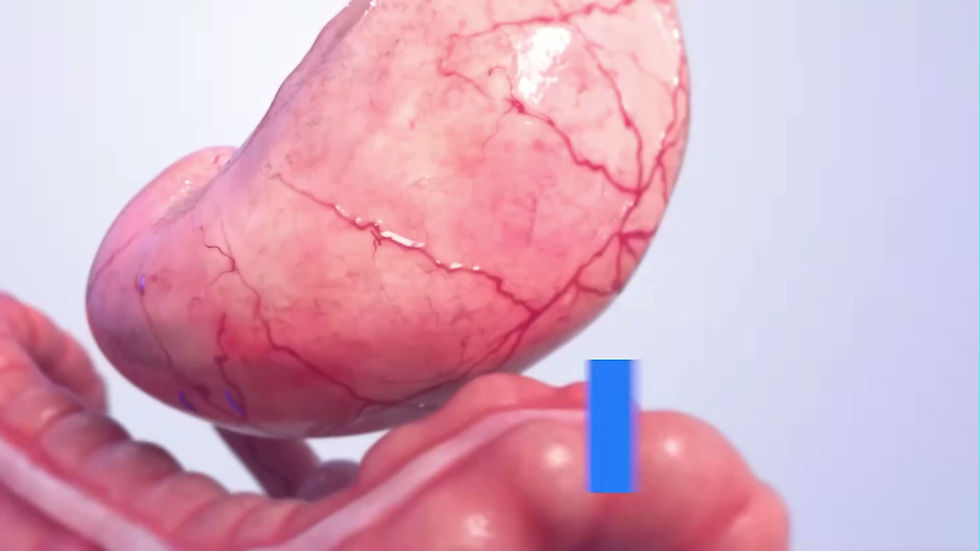
EndoSleeve, also known as Endoscopic Sleeve Gastroplasty, is a non-surgical weight loss procedure designed to help patients lose weight by reducing the size of the stomach from the inside.
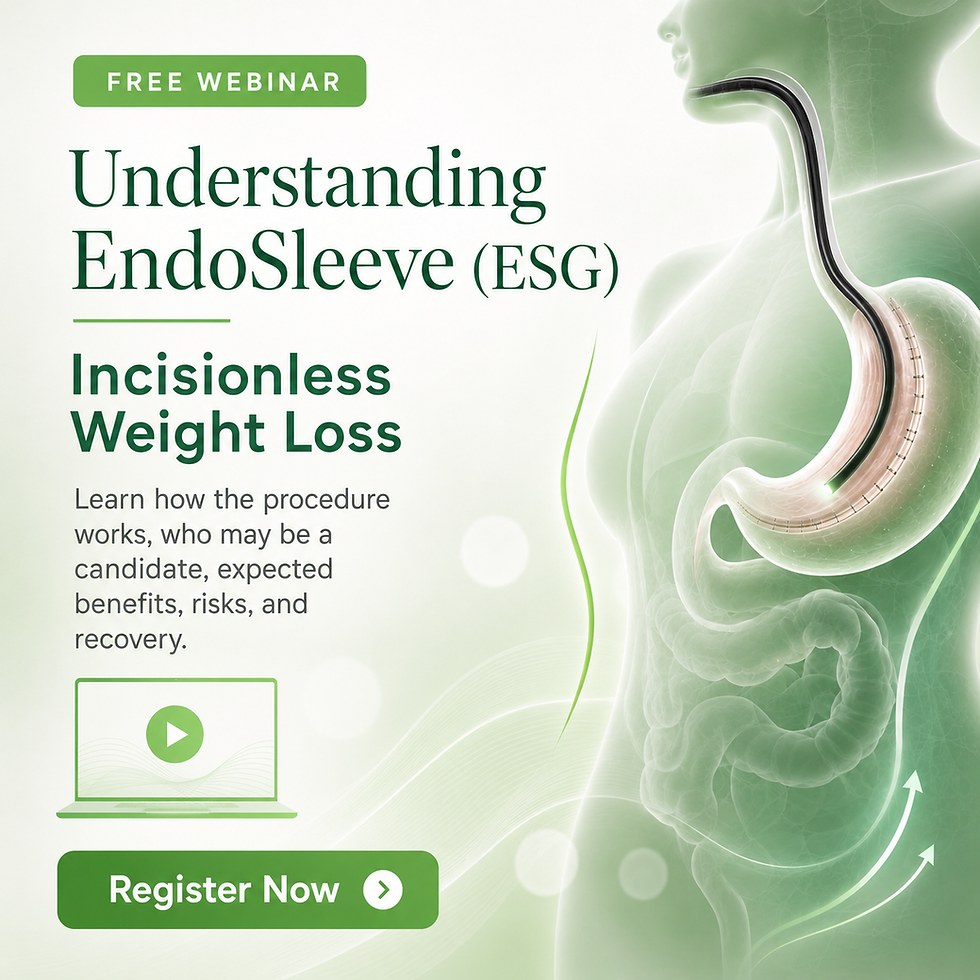
Unlike traditional bariatric surgery, EndoSleeve does not require abdominal incisions, removal of part of the stomach, or permanent rerouting of the digestive system. Instead, a flexible endoscope is passed through the mouth into the stomach while the patient is asleep under anesthesia. Using a specialized suturing device, the stomach is reshaped and reduced in size, helping patients feel full sooner and eat smaller portions.
EndoSleeve can be an excellent option for patients who want a less invasive approach to weight loss and are ready to commit to long-term lifestyle changes.
EndoSleeve: A Minimally Invasive Weight Loss Option Without Surgery

Who May Be a Candidate for EndoSleeve?
EndoSleeve may be an option for adults who:
-
Have a BMI of 30 or higher
-
Have struggled to lose weight with diet and exercise alone
-
Do not qualify for traditional bariatric surgery
-
Prefer a less invasive alternative to surgery
-
Are willing to participate in a structured weight loss program
-
Are committed to healthy eating, physical activity, and follow-up care
Who May Not be a Candidate for EndoSleeve?
EndoSleeve is not right for everyone. Some patients may need a different treatment approach.
You may not be a candidate if you have:
-
A large hiatal hernia
-
Active stomach ulcers
-
Gastritis or gastrointestinal bleeding
-
Severe liver disease or cirrhosis
-
Certain bleeding disorders
-
Severe heart or lung disease
-
An active eating disorder
-
A history of stomach cancer
-
Inability to follow the required diet and follow-up plan
The decision is made after a full medical evaluation.
How Does EndoSleeve Work?
EndoSleeve works by reducing the amount of food your stomach can comfortably hold.
During the procedure, the physician uses an endoscope with a suturing device to place stitches inside the stomach. These stitches reshape the stomach into a narrower tube or sleeve.
This helps in several ways:
-
You feel full sooner
-
You eat smaller portions
-
Food may stay in the stomach longer
-
Hunger and appetite may decrease
-
Weight loss becomes easier when combined with lifestyle changes
EndoSleeve is not a shortcut. It is a powerful tool that works best when combined with nutrition guidance, exercise, behavioral support, and regular follow-up.
What Happens During the Procedure?
EndoSleeve is usually performed in an endoscopy unit or an outpatient setting.
Here is what patients can generally expect:
You are placed under general anesthesia, meaning you are asleep and comfortable during the procedure. The doctor inserts a thin, flexible tube called an endoscope through your mouth and into your stomach. The endoscope has a camera and a suturing device attached.
Using the camera for guidance, the doctor places a series of stitches inside the stomach. These stitches reduce the size of the stomach and reshape it into a sleeve-like structure.
The procedure usually takes about 60 to 90 minutes, though times may vary depending on the patient.
Most patients go home the same day after a short recovery period.

More Than a Procedure:
A Complete EndoSleeve Program
EndoSleeve is not just a procedure; it is part of a comprehensive weight-loss program designed around patient safety, careful evaluation, and long-term support.
Our program brings together the expertise of gastroenterology physicians and bariatric surgeons. This collaborative approach allows patients to benefit from advanced endoscopic techniques, surgical weight-loss experience, and a broader understanding of obesity treatment options.

Meet our Physicians


Professor of Surgery
Director of the bariatric surgery program
Medical Director of
Advanced Endoscopy
MIS/Bariatric surgeon

Learning Center

